¶ 如何在AI大规模替代中存活(逃脱工资奴役)
不幸的是,所有工作大概在接下来的5秒钟内就会消失。
至少,如果你把社交媒体上那些大嗓门的人说的话太当回事——就像我这篇文章的标题——你会有这种感觉。
你甚至可能把"反AI"当成一种新的身份认同,大喊"去你的AI",让自己觉得在做出什么改变,但实际上却没有改变任何行为,没有拓宽技能,也没有适应新世界。因为谁会想这么做呢?谁会真的想要成长呢?
AI并不是你以为的那种威胁。
真正的威胁从来都是同一件事:
你的生存和幸福完全依赖于他人,而不是你自己。 任何形式的技术都会威胁到这一点。你的雇主和政府有他们自己的生存要维护,当某件事威胁到他们时,他们会降到更低层次的思维,迅速试图消除威胁。这是人性使然。你可以争辩说他们"应该"关心你的福祉,但如果你盲目相信他们会履行承诺,你注定会大失所望。
AI太大了,哭闹解决不了问题。
在社交媒体上发帖说你有多恨AI,并不会阻止工作被替代(不是说它们真的会被替代,跟我一起假设一下),更不会阻止随着技术变化,获得成功所需的技能也随之改变。
我写这封信的希望,是给你提供一种视角和一个潜在的解决方案(这个方案自远古时代就存在了)。
我有4个想法要与你分享,关于工资奴役、成为高自主性的人,以及为什么除非你从根本上改变自己,否则所有这些想法都毫无意义。
最后,我有一个简短的练习,包含6个问题,可能会为你打开一种新的生活方式——即使它看起来很简单。
I – 如何逃脱工资奴役
工资奴役,就是为了生存而做你没有选择的、毫无意义的苦差事,而且是为别人做。
我并不反对工作。
我认为工作是获取实践经验和技能的宝贵跳板。
但每当我"负面地"谈论工作时,总有些人忍不住说:"你是个白痴!我真的很享受我的工作!"
很好。我说的不是你(我有点觉得你是在说谎,只是为了逃避面对自己的潜力,同时又对此毫无意识)。
我说的是那些理解真正享受的心理学,受不了这种想法的人:人生三分之一在做你没有选择的工作,三分之一在精神疲惫中什么有意义的事都做不了,三分之一在睡觉……持续40年以上。
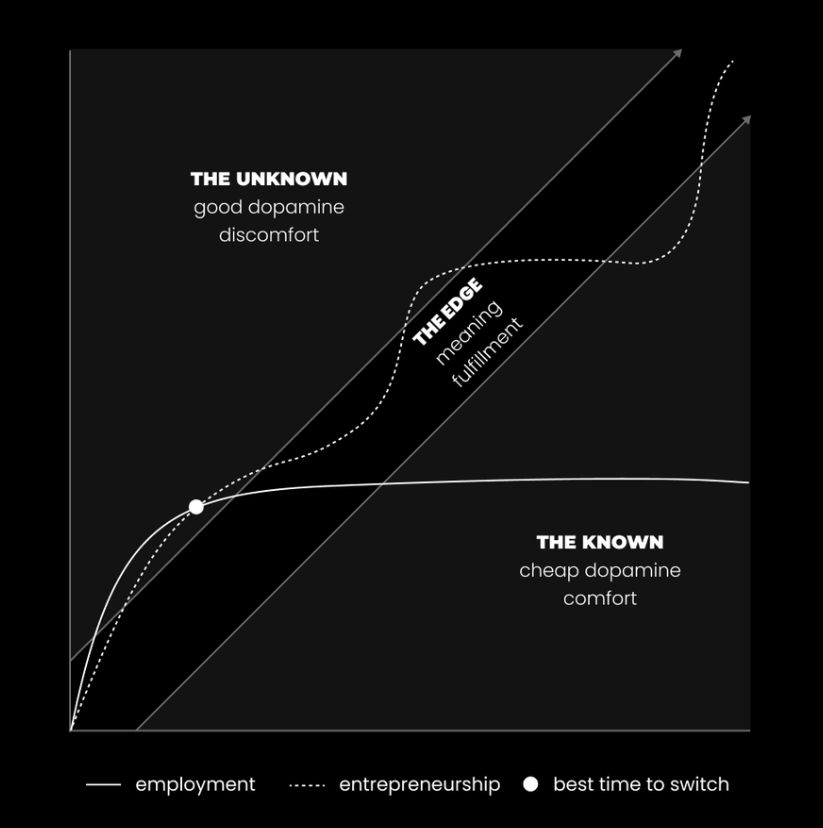
你看,享受、意义和满足感来自于在能力边界上生活。这一点研究得相当透彻。不,我不会引用来源。享受来自于追求比你当前技能水平稍高一点的挑战。挑战不能大到让你焦虑,也不能小到让你无聊。电子游戏就是利用这一点的。你接受恰好有足够挑战性的任务,因为如果你是一个1级角色去做100级任务,你会立刻死亡并讨厌这个游戏。这是进入心流状态的最重要驱动因素,如果你能构建一种生活结构来增加这种心流触发的可能性,享受就会源源不断。
工作的问题在于,几个月后你就掌握了所有需要知道的东西。你只是打卡上班、完成任务、打卡下班。你开始感到无聊。这违背了你的天性。你能感受到。 你的注意力不再沉浸在任务中,而是转向"我还可以做什么?"对大多数人来说,这个"还可以做什么"并不涉及有意义的目标。而是拿起手机,让大脑腐烂。一份工作很少需要你持续提升技能来匹配更大的挑战。
攀登职业阶梯可以有所帮助,但同样,你不能掌控挑战的程度。你不是在做自己的项目。好奇心、热情、目标感、自主性和精通感必然会缺失——而这五点恰恰是心流的五大驱动力。
这和工资奴役有什么关系?
文明实际上就是由一个部落奴役另一个部落建立起来的。这种动态从未消失。相反,它抽象成了就业、法律和文化。社会本质上变成了一场金字塔骗局。底层的人永远比顶层的多,数学上不可能所有人都在顶层。一个老板,多个员工,依赖老板维持生存。
我们大多数人都是在工业化标准下长大的。
成为专家。深入研究一个领域。找到一份高薪工作,让我的朋友觉得我的儿子/女儿很成功。既然你就是这样做的,你对整个过程就保持盲目。你了解完成工作所需的那一种技能,却没有试图理解支付你薪水的系统。你没有花时间在其他领域,所以你不知道如何自己建立东西。你只知道如何在别人的东西里填补一个角色。
不知不觉间,即使你在所选技能上被认为是"聪明的",你的思维能力也被压垮了。你赚到还不错的工资,但你感觉不到财务安全,于是陷入一种混乱的压力循环。压力让思维变得狭隘。设想一种你真的能建立自己事业的生活,变得越来越难以想象。
你没有资本去做你想做的事。你没有时间进行个人成长。你可能也太疲惫了(是精神上的疲惫,不是身体上的),无法重新教育自己,因为你大部分的清醒时间都在喂养别人的愿景。
顺便说一句,这就是你如何在大规模替代中存活下来——你致力于自己的事业。
问题是,奴隶不知道自己是奴隶。
这远不止是工资奴役。我们都是奴隶,以这样或那样的方式,通常是对意识形态和信仰体系的奴役。
奴役关乎强迫,当我们听到这个词时,我们想到的是身体上的强迫形式。但工资奴役是财务上的。如果你不能停止上班而不面临灾难,并且你没有创造替代方案的技能,无论你的"感受"怎么说,你都符合奴隶的定义。
更糟糕的是,如果你已经认同了自己的工作,你可能会把这当作真正的攻击。你会感受到威胁反应。你会想和我争论,这没关系,但这只会进一步证明这一点。
我想你明白了。
这很糟糕。我讨厌这种想法。
让我们谈谈现在什么是可能的,以及你能做什么。
II – 成功的五个要素
如果你不创造一个例程,你将被分配一个。
大多数人,在他们生命的大部分时间里,都被训练去学习他们不想学的东西,去找一份他们不在乎的工作,为他们在日常生活中永远不想打交道的人工作。
虽然我认为AI、技术和社交媒体加速了我们的认知,让我们明白学校和工作并不是唯一的道路,但我也认为人们只是厌倦了周围世界那种彻底的无意义感。
对于那些厌倦了默认道路的人,有五个要素可以让你变得面向未来,即使所有工作都被替代,也能让你做有意义的工作:
-
自主性(Agency) — "就是去做事情"的能力,不需要许可。看到机会,在没有人要求的情况下采取行动。
-
品味(Taste) — 知道什么值得向世界展示的经验。
-
说服力(Persuasion) — 让人们关心你所做之事的技能,不要与操控混淆。
-
坚持(Persistence) — 理解错误不等于死亡,并且它们是必要的。
-
迭代(Iteration) — 根据反馈向目标不断修正错误的过程(如果某件事不起作用,学习并调整,直到成功)。
现在每个人都痴迷于成为"高自主性"的人。
我理解。这很重要。所有的科技圈兄弟们都在互相模仿,说高自主性有多重要,反而暗示他们自己是低自主性的。
是的,你需要能够主动采取行动去实现目标。这是区分创业者和员工的最重要特质之一。创业者是那些向世界推出没有人要求的东西的人。
但这只是创业拼图的一块。
上面的5个要素实际上归结为两种技能:解决问题的能力,以及知道需要做什么的经验。
到目前为止,AI非常擅长资产创作,但爆款创作不是资产创作。资产创作是爆款创作的必要但不充分条件。上周任何人都可以制作一款电子游戏,就像5年前任何人都可以制作电子游戏一样。技术随处可得,已经商品化了。你知道一年有多少款手机游戏推出吗?数千款。你知道一年有多少爆款吗?零到五款。—— Strauss Zelnick
任何人现在都可以构建任何东西,这意味着创业(工资奴役的解药)的门槛不断降低,但这并不真正重要:
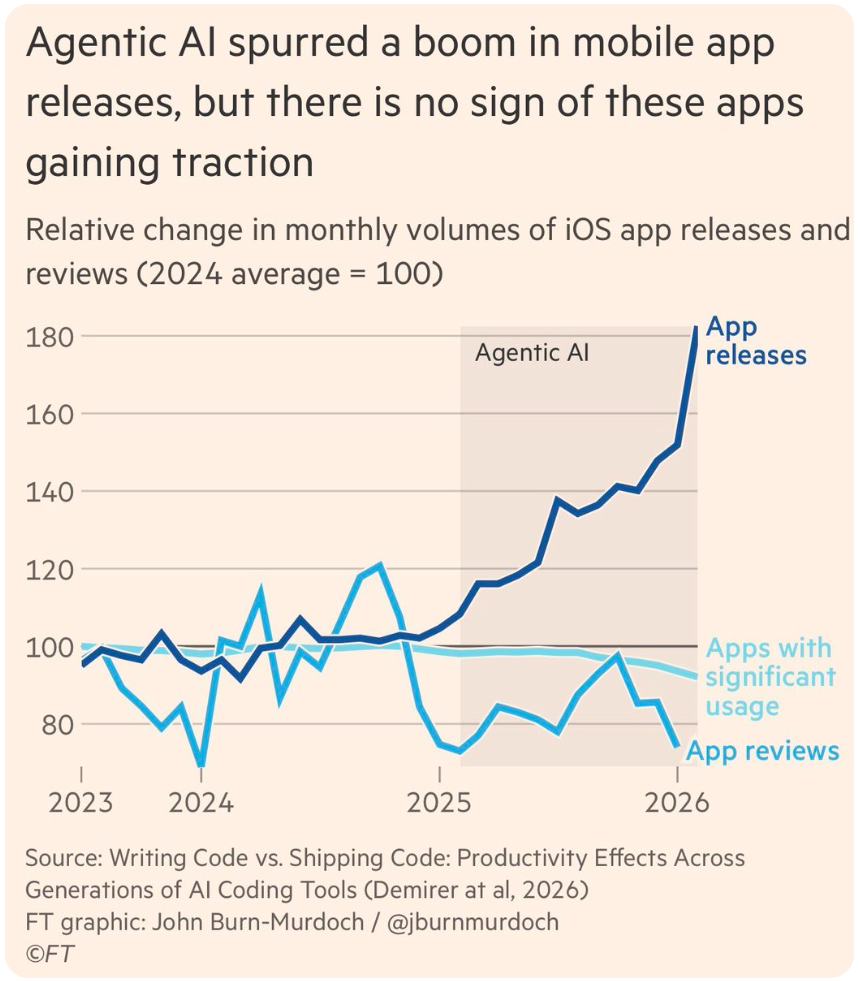
你,现在,可以去构建一个应用。
不是下一个Notion,而是一个具有可维护范围的应用或工具,专注于人们真正受益的预期结果。一个不需要成为爆款也有价值的东西。
我实际上推荐你这样做。我认为软件将成为下一个信息产品。我的意思是,构建软件将成为创作者、独立创业者和其他个人业务的默认选项。信息产品之所以长期占主导地位,是因为任何人都可以创建它们,但当然,这并不意味着所有产品都成功了。
问题在于上面的图片。
你可以构建任何东西,但这并不意味着(1)它值得构建(2)人们会关心,以及(3)你有能力根据反馈进行迭代和坚持,使它成为人们真正关心的值得构建的东西。
如果你真正理解那句话,你将一切顺利。
第二个问题是,自主性、品味、说服力、坚持和迭代并不是你典型的"高价值技能",不是你看几个YouTube视频就能掌握的。
关于变得高自主性的理论和推文,并不会让你真正变得更高自主性。
练习它们的唯一方式就是开始做自己的事情。
III – 就业的解药是让自己变得不可雇佣
我还记得接到第一个网页设计客户的那一天。
我记得他们为一个糟糕的手工编码网站付了我300美元。那是给一家当地床垫公司的,他们只是想要一个地方让人们看到他们的床垫。
就这样。
300美元。
那一刻,我顿悟了。我知道,如果我能重复、改进并迭代我刚刚做的那件事来赚那笔钱,我将能够以某种方式获得更多对生活方式和未来的控制权。这让我变得不可雇佣。它形成了一种深刻的信念:我永远不会再接受一份工作,我会为自己的生存而奋斗,尽管这听起来很戏剧化。
但仅仅那个数字,300美元,并不能说明那一刻之前的一切——身份的转变,以及欺骗自己相信这是可能的。也不能说明我在接下来的7年里学到的东西。
我想给你提供两件事:开始身份转变的起点,让你成为那个不可雇佣的人,而不仅仅是喜欢这个想法的人;以及一个任何人都能以自己独特方式付诸实践的行动计划。
1) 将自己置于迫使成长的环境中
改变生活最快的方式是把自己从(物理和数字的)环境中撕出来。一夜之间改变一切。你去的地方、你关注的账号、你消费的信息等等。这很困难,但绝对有效。
行为改变 = 身份改变。
你可以尝试节食并减掉30磅,但如果你不是那个重视健康的人,如果你不享受健康生活方式,你总会感觉在逆坡而上。你会像大多数其他人一样,把减掉的体重全部反弹回来,除非你从根本上改变了自己是谁。
怎么做到呢?
了解你是如何成为今天的你会有所帮助。
- 你出生在一个有特定价值观的家庭和文化中
- 你被灌输了这些价值观,即使你的父母没有强迫你
- 你去了一所有特定价值观的学校,由有特定价值观的老师教导
- 你接触到了大量信息,可能使你的价值观转向了叛逆、懒惰、受害者心态
- 你得到了一部手机,由于社交媒体和我们猿脑无法自控,这种条件反射以指数级速度增加
当然,这个过程还有更多,但你明白了。
现在,这并不是坏事,它在某种程度上是必要的。
我听过很多"真实性兄弟"说他们讨厌"模仿"或复制的想法,但他们仍然用两条腿走路,说英语,因为,这就是你做的事。你模仿。这叫做学习。
当你的行为不符合你内心呼唤的生活时,它才变得糟糕。那个低语着"你注定要更多"的内心声音。
要开始重新调整的过程,从你的环境开始。
你必须对所有刺激变得极度敏感,因为它们都在塑造你。
你要做的是:
一夜之间转换开关。
明天醒来,至少在这一天里,什么都不要照旧做。
设定不同的闹钟时间。精确计划你醒来后要做什么。吃不同的食物。和不同的人交谈。消费不同的内容。一切都要变。
随着我们的推进,你会开始理解你应该朝哪个方向培育你的环境。
2) 选择一个反馈尽可能接近现实的载体
最危险的生活方式是远离持续的试错过程。
远离错误纠正的过程,就是远离挑战、发现和通过努力获得的智慧——而这些智慧通向成长,成长通向满足感。
这不仅适用于工作(在你习惯了任务之后,你所面临的挑战程度会趋于正常化)。它也适用于商业和创业,以及那些延续员工思维的人:总是需要被告知该做什么,或者总是需要一本手册才能对自己的步骤感到有信心。
我的问题是:
互联网出现之前,人们是如何解决问题的?在"如何做"指南和分步流程大量存在之前?第一枚火箭是如何建造的?
他们尝试。他们失败。他们没有让失败说服他们相信这是不可能的,也没有让失败让他们迷失方向,沉迷于快速的享乐。他们根据现实给出的反馈设定了新的方向。最终,他们在草垛中找到了针。
他们是智慧的。
因为一个智能系统的标志是它根据反馈进行自我纠正。他们有一座灯塔,当他们偏离航线时,他们不会放弃。
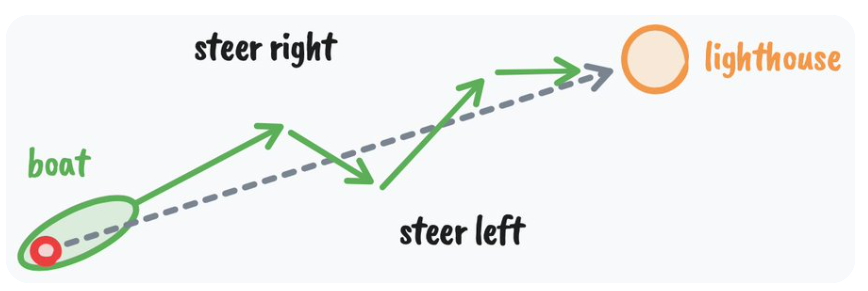
当我谈论创业时,这就是我的意思。
我的意思是参与你的自然状态。参与创造。追求未知的、需要失败才能实现的目标。
这是大多数成功人士的单一特质。
对他们来说,失败不是一个负面概念,它是常态,是美好生活的必要条件。
这一切听起来都很好,但你在当今世界如何实际应用这些?
3) 如果你想在未来蓬勃发展,学习这两种技能之一
代码和媒体是无需许可的杠杆。它们是新富人背后的杠杆。你可以创建在你睡觉时为你工作的软件和媒体。—— Naval
你,作为一个初学者,作为一个人,没有意识到你拥有多少杠杆,尤其是借助AI。
我不是在谈论AI使用的较低层次,那些随便问ChatGPT问题的人,以及那些因AI"窃取"他们作品而愤怒的艺术家。
我说的是那个层次:你理解你几乎可以构建任何东西,因为AI让你进入了试错的流程中。当然,大多数第一次的输出并不是你所期望的,但如果你有自主性,如果你迭代,如果你坚持,如果你积累品味,那么你几乎可以构建任何东西,而且这种趋势可能只会越来越强。然后,如果你能够说服人们,你构建的东西可以在你睡觉时为你付钱。
当然,这在AI出现之前也是可能的。核心问题是,大多数人不明白,只要你拥有成功的5个要素,只要时间足够长,任何事情都是可能的。AI只是让你能做得更多、更快,并给了你以前无法获得的东西——比如创建软件的能力,以及超强版本的学习和研究能力。
话虽如此,我认为媒体比代码更重要。
我说的媒体,是内容。
你发布一次的帖子、视频、播客或文章,可以被成千上万甚至数百万人看到。在我看来,这将是值得拥有的技能,尤其是当越来越多的人试图用AI做所有事情的时候。
因为有了内容,你需要知道什么是好的。
你仍然需要AI无法给你的教育,因为你还没有开始试错的过程。你不知道该问什么。
内容的价值是主观的。每个阅读每一句话的人都会以不同的方式解读它。换句话说,没有一种正确的方式可以保证结果。
另一方面,代码的价值是相对客观的。你怎么写它并不真正重要,只要它能得到你想要的结果。就像我们上面看到的,手机应用比以往任何时候都多,但它们的下载量和使用量实际上下降了。
为什么?
因为他们没有分发渠道。他们不理解媒体和内容。他们无法让人们使用它,尤其无法让人们足够关心它以至于为它付费。
顺便说一句,我说的不是Instagram上那种人说"我让Claude访问了我的社交媒体,它一夜之间让我的账号涨了10万粉丝"的那种内容。这基本上毫无价值,除非你通过叙事和权威建立信任和忠诚度。
正如JK Molina所说,点赞不等于现金。
智能内容创作远不止是为了点赞和粉丝而发布愤怒诱饵。
顺便说一句,如果你还没猜到,你为了身份改变而暴露自己的环境,应该由与你想要的生活相符的人、地方和习惯触发器组成。这是其中的一部分。
IV – 如何开始 — 拿出15分钟改变你的轨迹
你已经改变了你的环境。
你已经选择了你的载体。
你知道媒体胜过代码,因为内容的价值在于观看者的眼睛,这使得AI生成的内容迅速被商品化(因为它变得普通),为真正的创作者开辟了空间——无论他们是否使用AI,因为同样,AI不是问题所在。
现在你需要回答唯一重要的问题:
你一生的事业是什么?
这就是我们正在构建的。一生的事业,而不是个人品牌。
Peterson、Huberman、Watts——他们都有"个人品牌",但他们与自己的目的深度契合。他们知道自己想要什么,并把社交媒体作为实现它的工具,因为那,加上AI,是你现在作为一个人能做更多事情的技术——因为如果你从零开始,你可能在电视、广播或出版商那里不会取得多大成功。
(Alan Watts当然没有打算拥有"个人品牌",但他绝对有,重点依然成立。)
他们的个人品牌就是他们本身。
这是他们的身份。
大多数人喜欢这个想法,但他们很快就卡住了。他们寻求快速的多巴胺刺激,搜索"在内容创作中赚6位数最好的利基市场是什么",而不是深挖他们从多年积累的经验和故事中已经拥有的价值——他们认为这些毫无价值,因为对他们来说这很平常。
你一生事业的原材料已经在你内心深处,被多年来被告知要专业化、要务实、要停止问那么多问题所掩埋。这个过程并不是要给你一些新奇的想法。相反,它是要向你展示你已经拥有的东西。
认真对待这件事。
关闭所有标签页。打开一个空白文档。设置15分钟的计时器。把下面每个问题的答案写下来。不要跳过让你不舒服的问题。
第一步:挖掘你的原材料
让你变得有趣的大部分东西都被训练出去了。你的好奇心被当作干扰。你多样化的兴趣被贴上了缺乏专注的标签。系统想要的是一个顺从的工人。
你的内容只有在来自真正属于你的材料时才会奏效。
回答这些问题,如果你没有答案,就继续,让问题在你的潜意识中沉淀:
-
你对什么事情了解太多,以至于不可能是偶然的?多年来,你跨越数十个来源研究了哪个话题,而没有人为此付钱给你?
-
你为自己解决了什么问题,而你以为其他人早就已经解决了?什么事情对你来说是自然而然的,却似乎让其他人都困扰不已?
-
你小时候因为什么而惹麻烦,而那其实只是早期的品味?在有人告诉你这不切实际之前,你痴迷于什么?
现在圈出一个答案。那个让你有感触的答案。那就是原材料。
不要担心你的利基、内容支柱或任何这些。担心你想法的质量,因为这最终才是赢家。
第二步:命名你的逆向思维脊梁
没有人需要另一个重新包装常识的人。你的内容需要一种只有你才能看到的视角。这种视角来自于一件事——你相信的,主流认为是错误的东西。
品味不是关于知道什么是好的。而是关于知道什么是破碎的,并且无法移开视线。
回答这些:
-
哪些主流建议实际上让你的生活变得更糟了?你必须忘掉什么才能变得正常运转?
-
关于你的领域,你相信什么,专家会称之为幼稚,但你无法摆脱?
-
你的行业里,每个人都在假装看不见什么?
将第一步和第二步的答案放在一起看。它们重叠的地方,就是你的方向。
你对这些问题的回答,就是你的第一批帖子。
最好的品牌就是那个人的世界,公开发布供人探索。
第三步:明天发布你的第一个想法
这是一封信,不是一门课程。
我希望这里能有20个模块,但我做不到。这就是训练营的用途。
最后一个要素,标志着不再依赖他人获得财务稳定的开始,就是真正去做这件事,而真正去做这件事从一篇帖子开始。
你在上一步中已经有了写下来的帖子想法。
拿一个。
想想如何让钩子吸引眼球。
想想如何措辞正文以产生影响。
接受第一次迭代会很糟糕,以及你无法改进不存在的东西。
你的任务很简单。
从第一步拿一个答案,从第二步拿一个答案。把它们组合成一句只有你才能写出的话。然后明天把它作为你的第一条内容发布出去。一篇帖子。一个视频。一份通讯。格式还不重要。
现在你真的有了面向现实的反馈。
如果它不起作用,很好,你必须学习。你必须学习,找到你可以在下一篇帖子中尝试的说服技巧,然后再下一篇,直到你掌握这项技能,因为技能习得就是在遇到问题时不断叠加技巧。
如果你是那种现在说"我希望这更实际一点"的人,你是盲目的。我刚刚给了你做任何事情的公式。
而你刚刚收到了来自你自己头脑的反馈,而你没有将其登记为需要纠正的错误。
就这样。
下次再聊。
——Dan
¶ How to survive AI mass replacement(&escape wage slavery)
Unfortunately, all jobs will be gone in like the next 5 seconds.
At least that’s what it feels like if you take loud people on social media a bit too seriously - like my article title.
You may even adopt the Anti AI ideology as your new identity, screaming “f*ck AI” so you can feel like you’re making a difference without actually changing your behavior, broadening your skill set, or adapting to the new world, because who would want to do that? Who would ever want to grow?
AI isn’t the threat you think it is.
The real threat is what it’s always been:
You are dependent on everyone but yourself for your survival and well-being. Technology of any form is always going to threaten that. Your employer and government have their own survival to look out for, and when something threatens it, they drop to a lower level of thinking and quickly attempt to reconcile the threat. It’s human nature. You can argue that they’re “supposed” to care about your well being, but if you blindly trust that they will follow through, you are bound to be very, very disappointed.
AI is too big to control by crying about it.
Posting how much you hate AI on social media isn’t going to stop jobs from being replaced (not that they will be replaced, just play along with me for a second), and it definitely isn’t going to stop the skills required to become successful from changing as technology does.
My hope with this letter is to give you both perspective and a potential solution (that has been around since the dawn of time).
I have 4 ideas to share with you on wage slavery, becoming high agency, and why all of these ideas don’t mean a thing unless you fundamentally change who you are.
At the end, I have a short practice, with 6 questions, which may open you up to a new way of life - even if it seems simple.
Before we begin, self-sponsorship, 2 things (skip if you get mad at people promoting):
Okay sales promo done, here’s the letter:
I – How to escape wage slavery
Wage slavery is doing meaningless grind work you didn’t choose, for someone else, just to survive.
I am not anti-job.
I think jobs are worthy stepping stones for practical experience and skill acquisition.
But whenever I talk “badly” about jobs, there are always the people who can’t help but say, “You’re an idiot! I actually enjoy my job!”
That’s great. I’m not speaking to you (and I partially think you’re lying just to avoid facing your potential, while being unconscious of it at the same time).
I’m speaking to those who understand the psychology of true enjoyment, and can’t stand the thought of: one third of life doing work you didn’t choose, one third of life mentally exhausted to do anything worthwhile, and one third of life asleep... for 40+ years.
You see, enjoyment, meaning, and fulfillment come from living at the edge of your abilities. This is pretty well studied. No I won’t cite sources. Enjoyment comes from pursuing a challenge just above your skill level. Not so challenging that you get anxious, and not so underwhelming that you get bored. Video games exploit this. You take on quests that are just challenging enough, because if you were a level 1 character doing a level 100 quest, you would die immediately and hate the game. This is the single greatest driving factor of getting into the flow state, and if you can create a life structure that increases the likelihood of this flow trigger, enjoyment is abundant.
The thing about jobs is that after a few months, you know everything you need to know. You just clock in, do the tasks, and clock out. You get bored. It’s against your nature. You feel it. Your attention is no longer immersed in the tasks and shifts toward, “What else could I be doing?” For most people, that “what else” doesn’t involve a meaningful goal. It involves opening your phone and rotting your brain. It is very rare that a job requires you to consistently improve your skill to match a greater challenge.
Climbing a career ladder can help, but again, you aren’t in control of the level of challenge. You aren’t working on your own projects. Curiosity, passion, purpose, autonomy, and mastery are bound to be in lack - and those are the 5 drivers of flow.
What does this have to do with wage slavery?
Well, civilization was quite literally built by tribes enslaving other tribes. That dynamic never disappeared. Instead, it abstracted into employment, law, and culture. Society has essentially become a pyramid scheme. There are more people at the bottom than at the top, and it’s mathematically impossible for everyone to be at the top. One boss, multiple employees, dependent on the boss for their survival.
Most of us were raised with industrial standards.
Become a specialist. Study one domain hard. Get a high paying job so my friends think that my son/daughter is successful. And since that’s what you did, you stayed blind to most of the process. You understood the one skill to do your job, but didn’t try to understand the system that paid you. You didn’t dedicate time to other domains, so you don’t know how to build your own thing. All you know is how to fill a role in someone else’s thing.
Before you know it, your ability to think is crushed, even if you were considered “smart” in the skill you chose. You make a decent wage, but you don’t feel financially stable, so you get caught in a chaotic stress loop. Stress narrows the mind. It becomes even more difficult to fathom a life where you do build your own thing.
You have no capital to do what you want. You have no time for personal development. And you’re probably too tired (spiritually, not physically) to re-educate yourself because most of your waking life feeds someone else’s vision.
That’s how you survive mass replacement, by the way, you commit to your own thing.
The problem is that slaves don’t know they’re slaves.
This goes far beyond wage slavery. We are all slaves, usually to ideology and belief systems, in some way or another.
Slavery is about force, and when we hear the word, we think about the physical form. But wage slavery is financial. If you cannot stop showing up to work without catastrophe, and you have no skills to create alternatives, you meet the definition of a slave, no matter if your “feelings” tell you otherwise.
Worse, if you’ve identified with your job, you may take this as an actual attack. You’ll feel the threat response. You’ll want to argue with me, and that’s fine, but it only proves the point further.
I think you get the point.
It sucks. I hate the thought of it.
Let’s talk about what’s possible now and what you can do about it.
II – The five ingredients of success
If you don’t create a routine, you will be assigned one.
Most people, for most of their lives, have been trained to learn things they don’t want to learn, to get a job they don’t care about, working for people they would never want to be associated with in their everyday life.
While I think AI, technology, and social media have accelerated us to the point of understanding that schools and jobs aren’t the only path, I also think people are just tired of the sheer meaninglessness in the world around them.
For those who are tired of the default path, there are five ingredients to becoming future-proof, allowing you to do meaningful work even when/if all jobs are replaced:
1. Agency - the ability to “just do things” without permission. To see an opportunity and act on it when nobody asked you to.
2. Taste - the experience to know what’s worth putting out into the world.
3. Persuasion - the skill to get people to care about what you do, not to be confused with manipulation.
-
Persistence - the understanding that mistakes do not equal death, and that they are necessary.
-
Iteration - the process of error correcting toward a goal based on feedback (if something doesn’t work, learn and pivot until success).
Everyone is obsessed with being “high-agency” right now.
I get it. It’s important. All of the tech bros are copying each other, saying how important it is to be high agency, signaling that they are low agency.
Yes, you need to be able to initiate action toward a goal. It’s one of the traits that most distinguishes entrepreneurs from employees. Entrepreneurs are people who put something into the world that nobody asked for.
But it’s only one piece of the entrepreneurial puzzle.
The 5 ingredients above actually boil down into two skills: the ability to figure it out and the experience to know what needs to be done.
AI so far is really great at asset creation, but hit creation is not asset creation. Asset creation is a necessary but insufficient condition for hit creation. Anyone could make a video game last week like anyone could make a video game 5 years ago. The technology is readily available. It’s commoditized. You know how many mobile games get put out a year? Thousands. You know how many hits are made in a year? Zero to five. – Strauss Zelnick
Anyone can build anything now, meaning that the barrier of entry for entrepreneurship (the antidote to wage slavery) continues to get lower, but that doesn’t really matter:
You, right now, can go and build an app.
Not the next Notion, but an app or tool with a maintainable scope, focused on a desired outcome people actually benefit from. Something that doesn’t need to be a hit to be valuable.
I’d actually recommend it. I think software will be the next info product. And by that I mean building software will be the default option for creators, solopreneurs, and other one-person businesses. Info products dominated for so long because anyone could create them, but that doesn’t mean all of them succeeded, of course.
The problem is the image above.
You can build anything, but that doesn’t mean (1) it’s worth building (2) people will care and (3) you have the ability to iterate and persist according to feedback so that it becomes something worth building that people care about.
If you truly understand that sentence, you will do just fine.
The second problem is that agency, taste, persuasion, persistence, and iteration aren’t your typical “high value skills” that you can go watch a few YouTube videos about.
Theory and tweets about becoming high agency will not make you any more high agency.
The only way to practice them is to start doing your own thing.
III – The antidote to employment is becoming unemployable
I remember the day I landed my first web design client.
I believe they paid me $300 for a horrible hand-coded site. It was for a local mattress company, and they just wanted a place for people to see their mattresses.
That was it.
$300.
That’s when it clicked for me. I knew that if I could repeat, improve, and iterate on whatever I just did to make that money, I would somehow be able to gain more control over my lifestyle and future. It made me unemployable. It formed a deep conviction that I would never accept a job again, and I would fend for my own survival, as dramatic as that sounds.
But that number alone, $300, doesn’t account for everything that led up to that moment - the identity change and tricking myself into believing it was possible in the first place. And it doesn’t account for what I learned over the next 7 years.
I want to provide you with two things: the start of an identity shift so you become the person who is unemployable, not just the person who likes the idea of it, and an action plan that anyone can run with in their own unique way.
1) Hurl yourself into an environment that forces growth
The fastest way to change your life is to rip yourself out of your (physical and digital) environment. Change everything overnight. The places you go, the accounts you follow, the info you consume, etc. It’s difficult but it absolutely works.
Behavior change = identity change.
You can try to go on a diet and lose 30 pounds, but if you aren’t the person who values health, and you don’t enjoy living a healthy lifestyle, you will always feel like you’re running up hill. You will, like most other people, gain all the weight back unless you fundamentally change who you are.
How do you do it?
Well, it helps to know how you became who you are today.
- You were born into a family and culture with specific values
- You were indoctrinated with those values, even if your parents didn’t force them on you
- You went to a school with specific values and were taught by teachers with specific values
- You were exposed to an absurd amount of information that may have shifted your values toward rebellion, laziness, victimhood
- You got a phone, and that conditioning process increased exponentially thanks to social media and our monkey brains not being able to control ourselves
There’s a bit more to that process, of course, but you get the point.
Now, this isn’t bad, it’s somewhat necessary.
I’ve heard plenty of authenticity bros say they hate the thought of “imitation” or copying, and yet they still walk on two feet and speak english because well, that’s what you do. You imitate. It’s called learning.
It becomes bad when your behavior isn’t conducive to the life your core is calling for. That inner voice that is whispering “you are meant for more.”
To begin the reconditioning process, it starts with your environment.
You must become incredibly conscious of all stimuli, because it is all feeding into who you are.
What you do is this:
Flip the switch over night.
Wake up tomorrow and do nothing the same, for atleast the day.
Set your alarm for a different time. Plan exactly what you’re going to do when you wake up. Eat different foods. Talk to different people. Consume different content. Everything.
As we progress, you’ll start to understand the direction in which you should curate your environment.
2) Choose a vessel where feedback is as close to reality as possible
The most dangerous lifestyle is one removed from continuous trial and error.
To be removed from the process of error correction is to be removed from challenge, discovery, and hard earned wisdom that leads to growth that leads to fulfillment.
This does not only apply to jobs where the level of challenge you are exposed to normalizes after you become accustomed to the tasks. It applies to business and entrepreneurship, as well as to those who carry over the employee mindset: always needing to be told what to do, or always needing a handbook to feel confident in their steps.
My question to you:
How did people figure things out before the internet? Before “how-to” guides and step by step processes were abundant? How was the first rocket built?
They tried. They failed. They didn’t let failure convince them into believing it was impossible, or disorient them to the point of indulging in quick pleasure. They set a new direction according to the feedback reality had given them. And eventually, they found the needle in the haystack.
They were intelligent.
Because the mark of an intelligent system is that they course correct according to feedback. They have a lighthouse, and they don’t quit when they get blown off course.
When I talk about entrepreneurship, this is what I mean.
I mean engaging in your natural state. Engaging in creation. Pursuing unknown goals that demand failure to achieve.
This is the singular trait of most successful individuals.
Failure is not a negative concept to them, it is a constant that is necessary for a good life.
That all sounds great, but how do you actually apply this in today’s world?
3) Learn 1 of these 2 skills if you want to thrive in the future
Code and media are permissionless leverage. They’re the leverage behind the newly rich. You can create software and media that works for you while you sleep. – Naval
You, as a beginner, as one person, do not recognize how much leverage you have available to you, especially with AI.
And I’m not talking about the lower levels of AI use, the casual ChatGPT question-askers and the artists who get mad at AI for stealing their work.
I’m talking about the level where understand that you can build almost anything, because AI puts you in the stream of trial and error. Sure, most of the first outputs aren’t what you expected, but if you have agency, if you iterate, if you persist, if you accumulate taste, then you can build almost anything, and this is likely to only become more true. Then, if you are able to persuade, what you built can pay you while you sleep.
This was possible before AI of course. The core problem is that most people don’t understand that anything is possible with a long enough time horizon if you possess the 5 ingredients of success. AI has simply allowed you to do more, faster, and has given you access to things you didn’t have access to before - like the ability to create software and a supercharged version of learning and research.
With that said, I believe media is more important than code.
And by media, we’re talking about content.
Posts, videos, podcasts, or writing that you publish once and it can be seen by thousands if not millions of people. That, in my opinion, will be the skill worth having, especially as more people try to do it all with AI.
Because with content, you need to know what good looks like.
You still need education that AI can’t give you, because you haven’t started the process of trial and error. You don’t know what to ask.
The value of content is subjective. Every person reading every single sentence is going to interpret it in a different way. In other words, there is no one right way that gets results.
The value of code, on the other hand, is relatively objective. It doesn’t really matter how you write it, as long as it gets the result you were looking for. Like we saw above, there are more mobile apps than ever, but their downloads and usage have actually decreased.
Why?
Because they they don’t have distribution. They don’t understand media and content. They can’t get people to use it, and they especially can’t get people to care about it enough to pay for it.
By the way, I’m not talking about the type of content where people on Instagram say “I gave Claude access to my social media and it grew my account by 100k followers overnight.” That is practically worthless unless you are building trust and loyalty through narrative and authority. You can do this
, but it helps if you know what you’re doing.
As JK Molina says, likes ain’t cash.
Intelligent content creation is much more than just posting rage-bait for likes and follows.
By the way, if you haven’t already guessed, the environment you expose yourself to for the sake of identity change should consist of the people, places, and habit triggers that are aligned with the life you want. This is a part of it.
IV – How to start - set aside 15 minutes to change your trajectory
You have changed your environment.
You have chosen your vessel.
You know that media beats code because the value of content is in the eye of the beholder, which commoditizes AI-generated content rapidly because it becomes normal, opening up space for true creatives - whether they use AI or not, because again, AI isn’t the problem.
Now you need to answer the only question that matters:
What is your life’s work?
That’s what we’re building. A life’s work, not a personal brand.
Peterson, Huberman, Watts - they all have “personal brands,” but they are deeply aligned with their purpose. They know what they want, and they use social media as the tool to actualize it, because that, plus AI, is the technology you use to do more as one person right now, because you probably won’t get much success on TV or on the radio or with a book publisher if you’re starting from zero.
(Alan Watts, of course, didn’t intend to have a “personal brand,” but he absolutely does, and the point stands.)
Their personal brand is who they are.
It’s their identity.
If you want to see your identity live, in front of your eyes, just go through the welcome flow of
. It builds it out for you as a graph you can explore.
Most people love the idea of this, but they get stuck fast. They seek the quick dopamine hit, searching “what’s the best niche to make 6 figures in with content creation” rather than digging into the value they already have from years of accumulated experience and story that they think is worthless because it’s normal to them.
The raw material for your life’s work is already inside you, buried under years of being told to specialize, to be practical, to stop asking so many questions. This process isn’t meant to give you some new and novel idea. Instead, it’s meant to show you what you already have.
Take this seriously.
Close your tabs. Open a blank document. Set a timer for 15 minutes. Answer every question below in writing. Do not skip the uncomfortable ones.
Step 1: Excavate your raw material
Most of what makes you interesting has been trained out of you. Your curiosity was treated as a distraction. Your varied interests were labeled as a lack of focus. The system wanted an obedient worker.
Your content will only work if it comes from material that is actually yours.
Answer these, and if you don’t have an answer, move on and let the question sit in your subconscious:
- What do you know too much about for it to be an accident? What topic have you researched across dozens of sources, for years, without anyone paying you to?
- What problem did you solve for yourself that you assumed everyone else already figured out? What comes naturally to you that seems to break everyone else?
- what did you get in trouble for as a kid that was actually just early taste? What did you obsess over before anyone told you it was impractical?
Now circle one answer. The one that made you feel something. That is raw material.
Don’t worry about your niche, content pillars, or any of that. Worry about the quality of your ideas, because that’s ultimately what wins.
Step 2: Name your contrarian spine
Nobody needs another person repackaging common sense. Your content needs a perspective that only you can see. That perspective comes from the one thing you believe that the mainstream gets wrong.
Taste is not about knowing what is good. It is about knowing what is broken and being unable to look away.
Answer these:
- What piece of mainstream advice actively made your life worse? What did you have to unlearn to become functional?
- What do you believe about your domain that experts would call naive, but you cannot shake?
- What is everyone in your industry pretending not to see?
Look at your answers from Step 1 and Step 2 together. Where they overlap is your direction.
Your answers to these questions are your first posts.
The best brands are that persons world, published in public for people to explore.
Step 3: Post your first idea tomorrow
This is a letter, not a course.
I wish I could have 20 modules here, but I can’t. That’s what thebootcampis for.
The final ingredient, to mark the beginning of the end of dependence on someone else for financial stability, is actually doing the thing, and actually doing the thing starts with one post.
You literally have post ideas written down from the last step.
Take one.
Think of how to make the hook attention grabbing.
Think of how the word the body for impact.
Embrace that the first iteration will suck and that you can’t improve what doesn’t exist.
If you want a little help,here’s a prompt/skill
for you to brainstorm angles and draft variations so you can get a feeling for what “good” looks like. These are all built on what works. We talked about this previously in thegrowing on social media is easy letter.
Your task is simple.
Take one answer from Step 1 and one answer from Step 2. Combine them into a single sentence that only you could write. Then publish it tomorrow as your first piece of content. A post. A video. A newsletter. The format does not matter (yet).
Now you actually have feedback against reality.
If it doesn’t work, good, you have to learn. You have to study, find a persuasion tactic you can try in your next post, and then the next, until you master the skill because skill acquisition is just stacking techniques as you encounter problems.
If you are one of those that is now saying “I wish this is more practical,” you are blind. I just gave you the formula to do anything.
And you just received feedback from your own mind that you did not register as an error to correct.
That’s it.
Talk in the next one.
– Dan